
CNC Machining Services: How to Choose a Reliable Machine Shop (Tolerances, Lead Times, Materials, QA)Как гарантираме повторяемост, точност и предвидими срокове при всяка поръчка — от прототип до серия.“
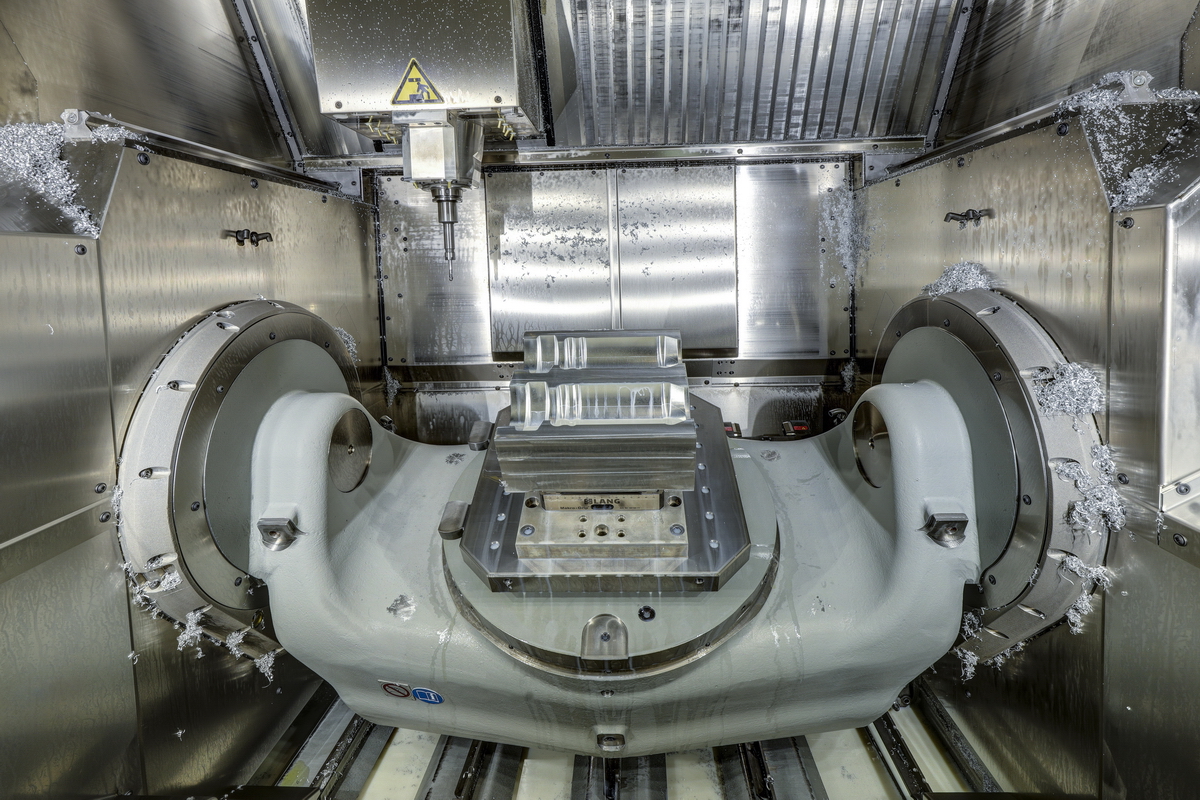
If you’re sourcing CNC parts online, the fastest way to avoid delays and rework is to choose a machine shop that can hit your tolerances, meet your deadline, and prove quality—not just promise it.
This guide explains what to look for when selecting a CNC machining supplier, with a practical checklist for sending an RFQ that gets you an accurate quote quickly.
We’re a CNC machine shop in Varna, Bulgaria offering CNC milling, CNC turning, and 5-axis machining in aluminum, stainless steels, and tool steels—from prototypes to production, with typical part sizes up to ~400–600 mm.
What CNC machining services should include
A capable CNC supplier typically covers:
-
CNC milling (3-axis and 5-axis for complex geometry)
-
CNC turning (including tight concentricity features and repeatable diameters)
-
Drilling, tapping, reaming
-
Fixture strategy for repeatability (especially for production)
-
Deburring and edge control
-
Inspection and documentation as required (first-article checks, measurement reports)
The best shops don’t just “make parts”—they control the process so parts stay consistent across batches.
1) Tolerances: the biggest driver of cost and risk
Tolerances affect machining time, setup complexity, and inspection effort. Tight tolerances often require:
-
more rigid fixturing and additional setups
-
slower finishing passes
-
tool wear control
-
more frequent measurement
Best practice: tighten tolerances only where function demands it. If everything is tight “just in case,” you’ll pay more with no performance benefit.
Questions to ask a CNC shop
-
What tolerances do you hold routinely vs special case?
-
Do you review the drawing and identify critical features before quoting?
-
How will you measure key dimensions (CMM/height gauge/bore gauges, etc.)?
A reliable shop will flag risky callouts early and suggest cost-saving DFM changes (datums, fits, radii, surface finish choices).
2) Lead times: what’s realistic (and what causes delays)
Lead time is more than machine time. It includes:
-
programming and setup
-
machining and deburring
-
finishing (if required)
-
inspection and packing
Delays most often come from material availability, late drawing revisions, and finishing queues.
Questions to ask
-
What’s the lead time for my material + quantity (not just “typical”)?
-
Can you offer expedite options?
-
What happens if the drawing changes midstream?
If you need parts shipped across Bulgaria or the EU, confirm packaging requirements and shipping arrangements upfront.
3) Materials: choose what machines well and performs well
Your material choice impacts price, cycle time, and tool wear—especially in production.
Common materials we machine (and when they make sense)
-
Aluminum: light weight, excellent machinability, great for housings, brackets, tooling, and prototypes.
-
Stainless steels: corrosion resistant, strong, widely used in industrial and food/chemical environments (generally slower to machine than aluminum).
-
Tool steels: ideal for wear resistance, tooling, dies, fixtures, and parts requiring high hardness or stability (often paired with heat treatment).
What to confirm
-
exact grade (e.g., stainless grade) and acceptable equivalents
-
whether you need material certificates
-
any post-machining requirements (heat treat, stress relief, etc.)
A good CNC supplier will recommend alternatives that reduce cost while meeting performance requirements.
4) 5-axis machining: when it saves time and improves accuracy
5-axis CNC machining isn’t only for “fancy parts.” It often reduces cost by:
-
cutting complex geometry in fewer setups
-
improving positional accuracy between features
-
enabling better surface finish on contoured areas
-
reducing manual re-clamping (a major source of variation)
If your part has angled holes, compound surfaces, tight true-position callouts, or multiple datum-critical faces, 5-axis can be the fastest path to a correct part.
5) Quality assurance: how the shop proves the part is right
Quality is not a slogan—it’s measurable. Strong shops support:
-
in-process checks (critical features verified during machining)
-
final inspection (dimension reports when requested)
-
first article verification for new parts and prototype-to-production transitions
-
traceability if your customer requires it (by agreement)
Questions to ask
-
Can you provide a measurement report for critical dimensions?
-
What’s your approach to repeatability in production (fixtures, offsets, process control)?
-
Do you perform a drawing review and confirm datums/critical-to-function features?
6) Prototype to production: what changes when you scale
A shop that only does prototypes may struggle in production. A shop built for both will plan for:
-
stable fixturing and standardized setups
-
tool life planning and process sheets
-
consistent deburring/edge spec
-
batch inspection strategy
If you plan to ramp quantities, ask how they maintain consistency from the first prototype to the 1,000th part.
RFQ checklist: how to get a fast, accurate CNC quote
To receive a quote quickly (and avoid back-and-forth), send:
-
2D drawing (PDF) with tolerances, threads, fits, surface finish
-
3D model (STEP) if available
-
Quantity (prototype, small batch, production)
-
Material + grade (and certificate needs, if any)
-
Finish requirements (if any)
-
Target lead time (standard or expedited)
-
Special requirements (inspection report, marking, packaging)
The clearer the RFQ, the faster the quote—and the fewer surprises later.
CNC machining in Varna, Bulgaria: what we offer
If you’re looking for CNC machining in Varna, we support:
-
CNC milling, CNC turning, and 5-axis machining
-
Materials: aluminum, stainless steels, tool steels
-
Prototypes and production
-
Typical part envelope up to ~400–600 mm (depending on geometry and setup)
Get a quote
Send your RFQ (PDF drawing + STEP model + quantity + material) and include your deadline. We’ll review manufacturability and respond with a clear quote and lead time.